

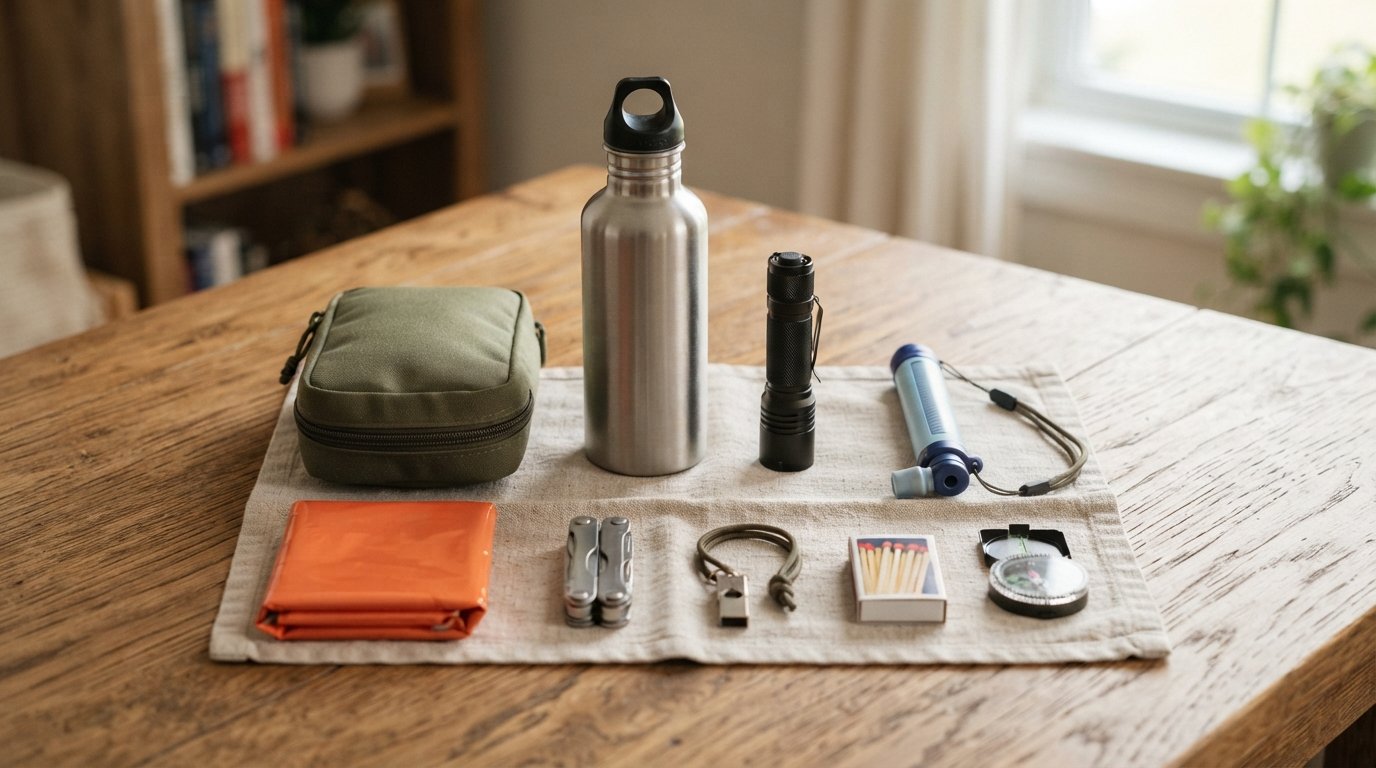
Decision Snapshot
Compare pricing and availability across our recommended platforms before choosing the best offer.
Who it is for: Emergency planners, survivalists, and families building 72-hour bug-out bags or home emergency kits.
Verdict: The LifeStraw is a high-utility, low-maintenance insurance policy for water filtration during unexpected crises.
Important Caveat: The LifeStraw is a filtration device, not a purifier; while it removes bacteria, parasites, and microplastics, it does not remove viruses, which may be a concern in specific contamination scenarios like floodwaters.
Article Map
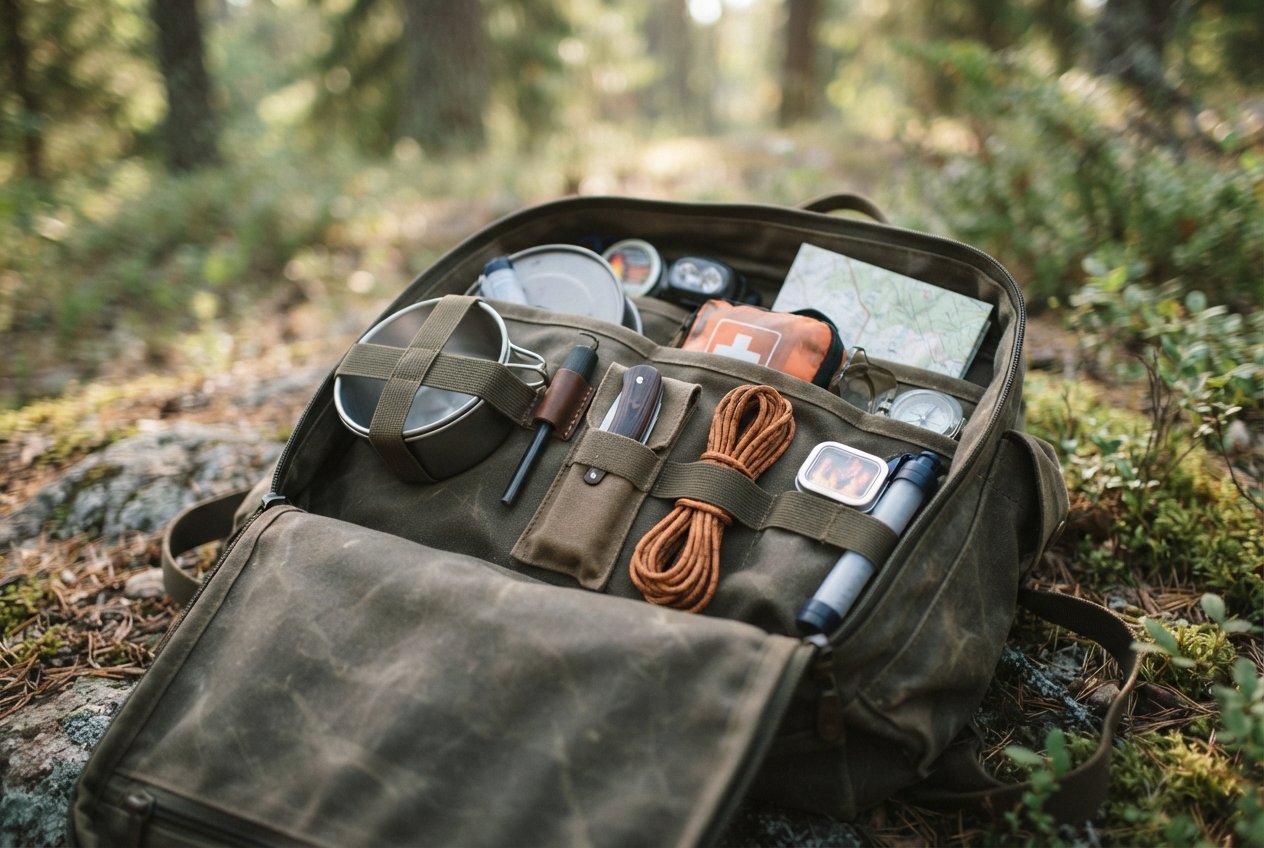
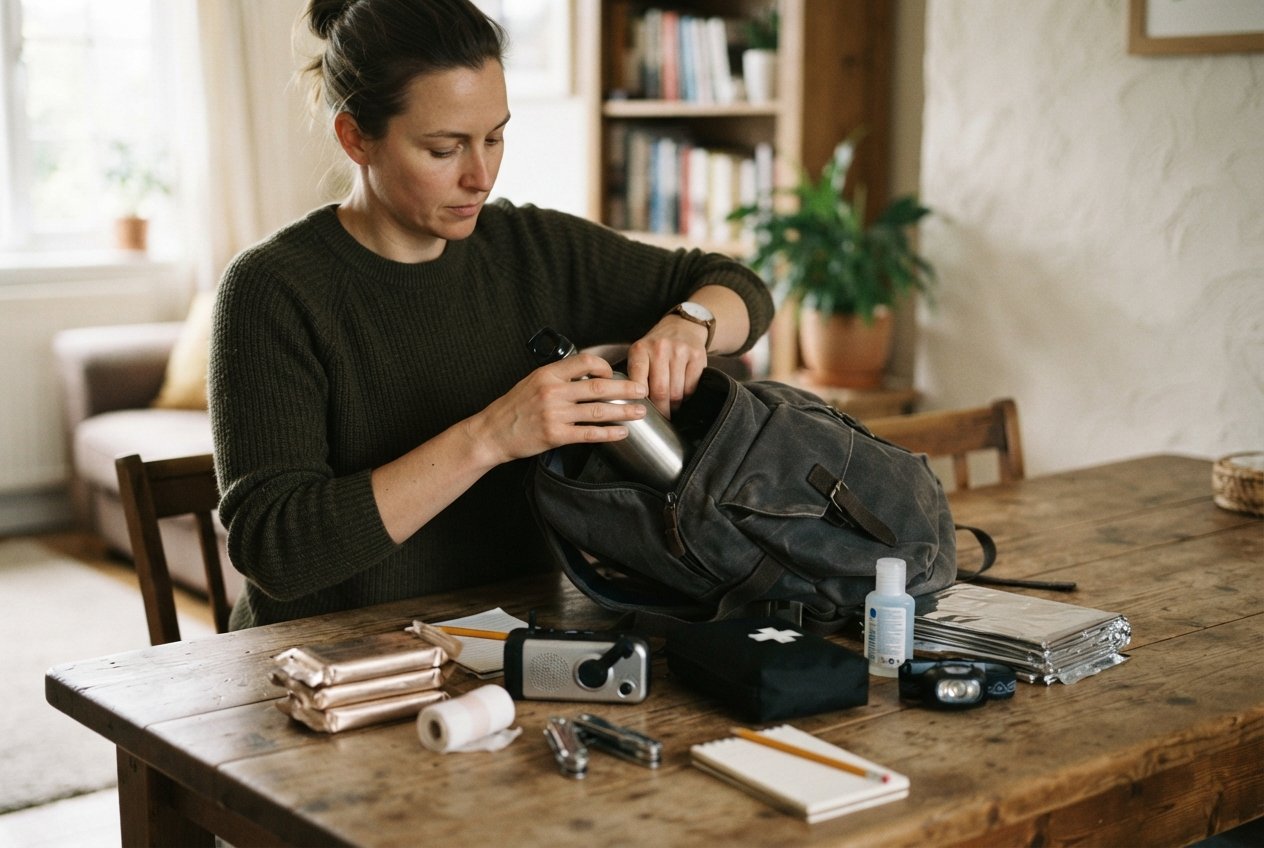
The Role of LifeStraw in Emergency Preparedness
In a true emergency, the luxury of preparation often meets the reality of limited storage space and gear degradation. Unlike water treatment methods that may expire or require external power sources, the LifeStraw Personal Water Filter is designed for long-term storage safety.
Unlimited Shelf Life
One of the primary benefits for emergency planners is the shelf life. The LifeStraw features an unlimited shelf life when stored in its original, unused condition. This allows you to purchase a device today and trust it will function in an emergency years down the road without the risk of material breakdown common in chemical-based treatments.
Performance and Capacity
Once activated, a single LifeStraw provides filtration for up to 1,000 gallons (4,000 liters) of water. Its simple design makes it robust for survival kits, requiring no electricity, pumps, or batteries.
Specifications Overview
| Feature | Specification |
|---|---|
| Shelf Life | Unlimited (before first use) |
| Filter Capacity | Up to 1,000 gallons (4,000 liters) |
| Contaminant Removal | Bacteria, parasites, and microplastics |
Trade-offs for the Prepper
What you gain: Reliability for long-term storage and a high filtration capacity in a compact form factor.
What you give up: Because it is a straw-style filter, you must place the device directly into the water source to drink. It does not provide the ability to purify large volumes of water for storage or cooking simultaneously, which may necessitate having other secondary methods available.
Below are common questions regarding the use of the LifeStraw in emergency scenarios.

Trust and Methodology
This overview was compiled using desk research of official product documentation and manufacturer-provided specifications. We have not performed hands-on testing of this product. All claims regarding shelf life and filtration performance are derived from official LifeStraw support and product documentation.
Affiliate Disclosure: This site contains affiliate links. We may earn a commission from qualifying purchases at no additional cost to you.
Frequently Asked Questions
- Does the LifeStraw have an expiration date?
- No. The LifeStraw has an unlimited shelf life provided it remains unused and is stored properly.
- How much water can one LifeStraw filter?
- Once the filter is first used, it has a capacity to filter up to 1,000 gallons (4,000 liters) of water.
- Can the LifeStraw remove viruses from water?
- The LifeStraw is designed to remove bacteria, parasites, and microplastics. It does not remove viruses, which is an important consideration if you are preparing for scenarios involving contaminated floodwaters.
Leave a comment