

Article Map
- Decision Snapshot
- Understanding Cable Specifications
- Comparison Table
- Trade-offs: What You Gain and Give Up
- Frequently Asked Questions
- Trust and Methodology
As an Amazon Associate, we earn from qualifying purchases. This does not impact our editorial decisions.
Compare pricing and availability across our recommended platforms before choosing the best offer.
Decision Snapshot
Who this is for: Drivers of sedans, SUVs, and light trucks who want a reliable, easy-to-store emergency solution.
The Verdict: The Energizer Jumper Cables (16-Foot, 6-Gauge) serve as a balanced option for most consumer vehicles, offering 16 feet of reach and 6-gauge wire thickness suitable for standard battery boosts.
Understanding Cable Specifications
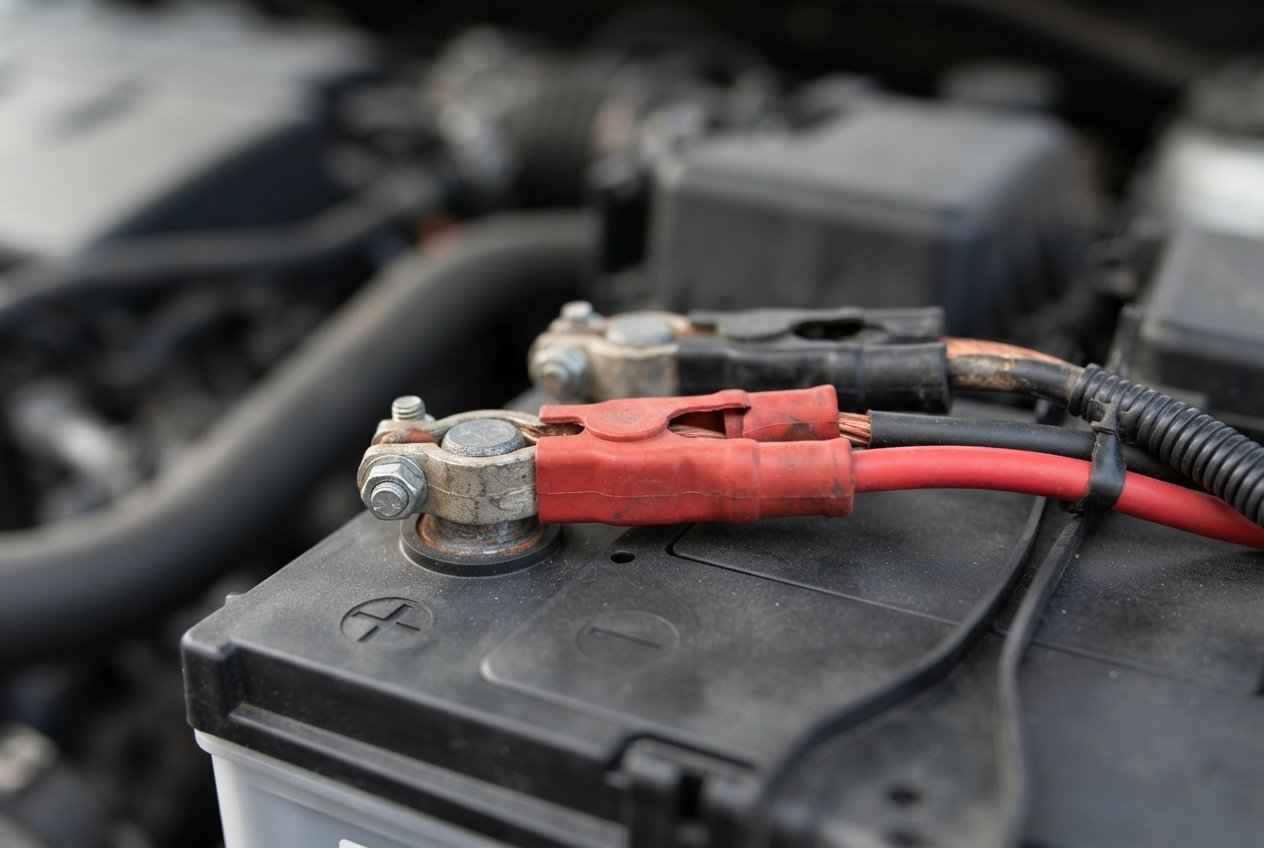
When selecting emergency cables, two factors dominate utility: gauge and length. The gauge (AWG) determines the wire thickness. A lower number indicates a thicker wire capable of carrying more current. For the average consumer vehicle, 6-gauge provides a functional balance between weight and performance.
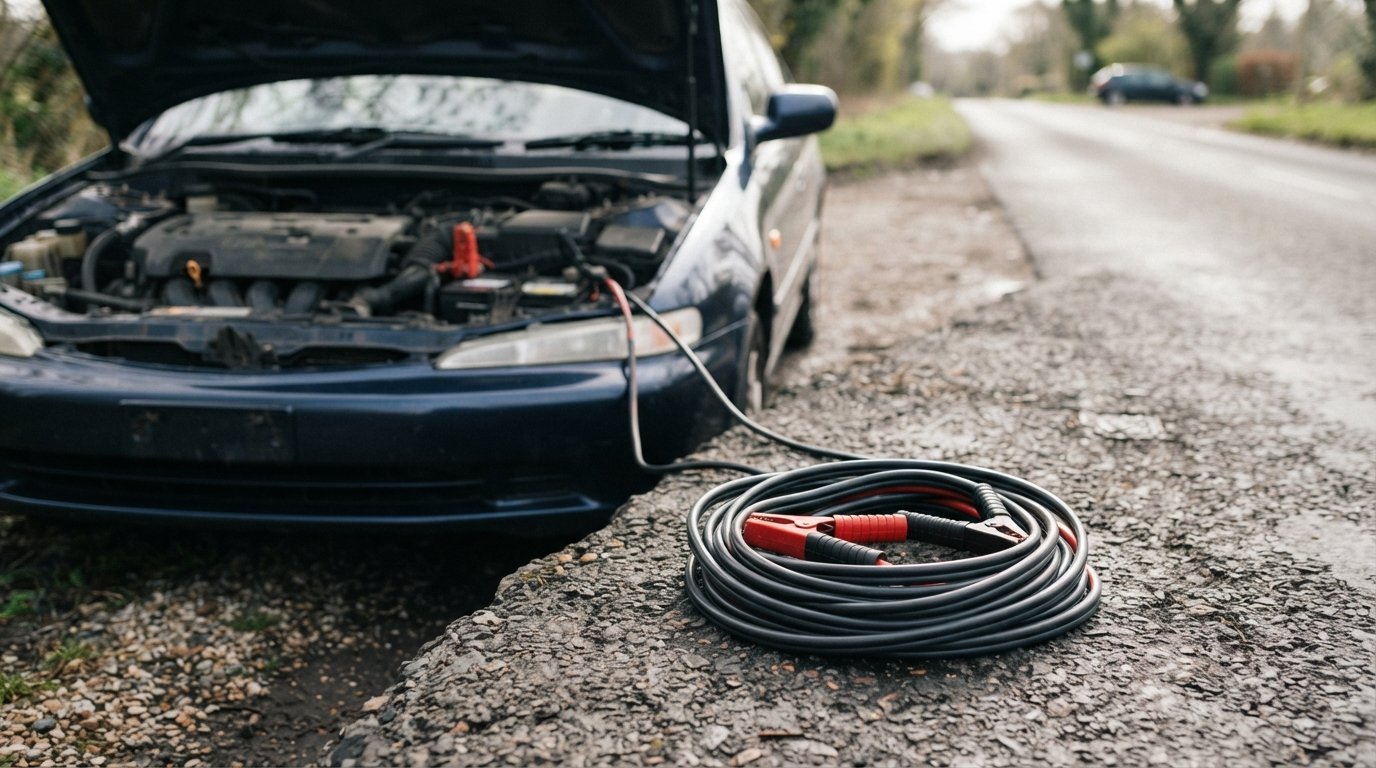
A 16-foot cable length is widely considered the practical standard for road use. It allows sufficient slack to connect two vehicles even when they are parked in slightly awkward configurations, without being as cumbersome as longer professional sets.
Comparison Table
| Feature | Energizer (Model: ENB-616U) |
|---|---|
| Gauge | 6-Gauge |
| Length | 16 Feet |
| Material | Copper Clad Aluminum (CCA) |
| Weight | Approx. 4.6 lbs |
| Temperature Rating | Flexible down to -40°C |
| Warranty | 2 Years |
Trade-offs: What You Gain and Give Up
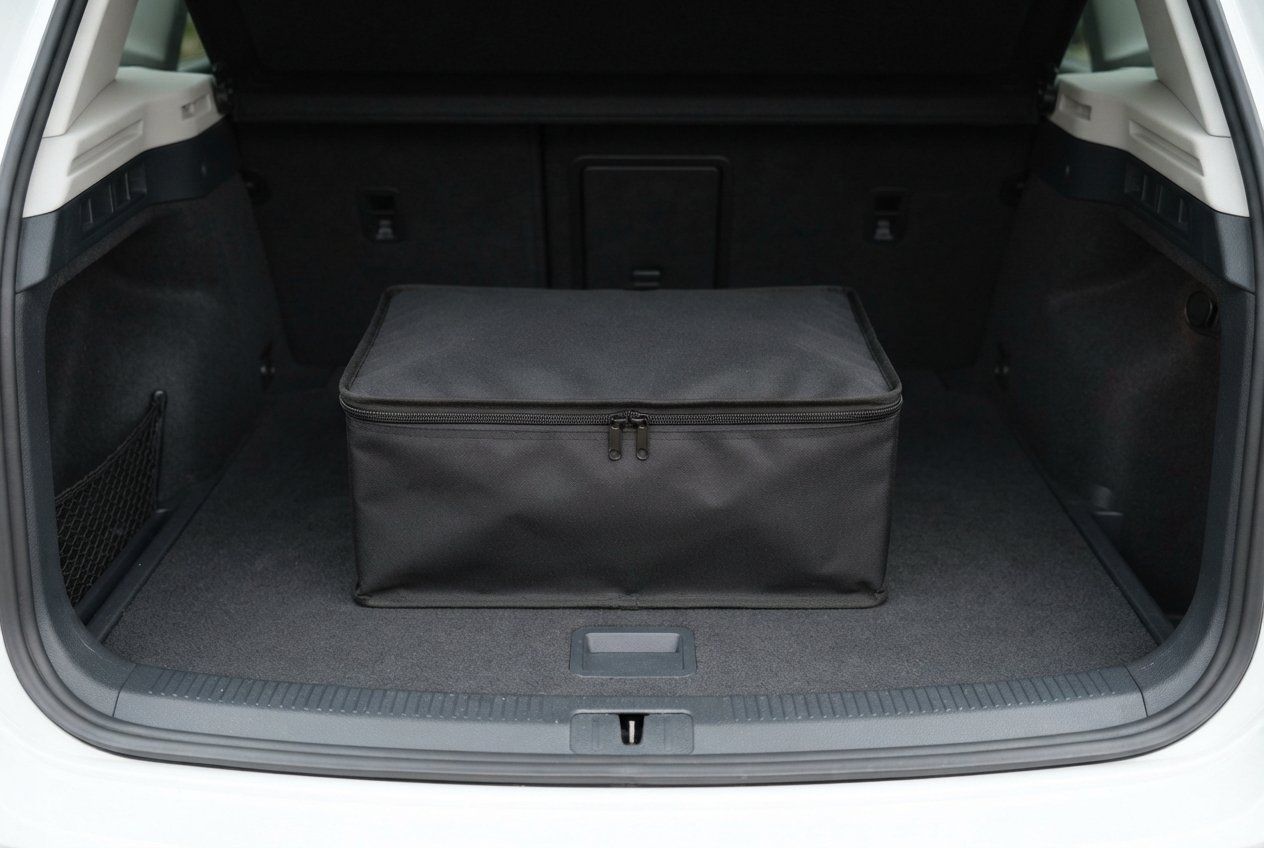
Gains: By choosing the Energizer 16-foot 6-gauge cables, you gain a tool designed for emergency use that is portable and flexible for cold-weather handling. The included zip-up carrying bag helps keep the cables organized.
Trade-offs: The cables utilize Copper Clad Aluminum (CCA), which is a cost-effective alternative to pure copper. While sufficient for jump-starting standard passenger vehicles, those looking to service extremely large diesel engines or high-capacity commercial batteries may prefer pure copper cables for higher conductivity.
Trust and Methodology
This evaluation is based on technical specifications provided by the manufacturer and third-party product data. No hands-on testing was performed by our editorial team. All claims regarding specifications, warranty, and materials are verified against official documentation.
Frequently Asked Questions
- Is 6-gauge wire thick enough for my car?
- Yes. 6-gauge is designed for standard passenger vehicles, including mid-size cars, SUVs, and light trucks. It provides an efficient balance of current flow and portability.
- Are 16-foot cables long enough?
- For most roadside scenarios, 16 feet provides enough reach to connect batteries between two vehicles without requiring them to be parked perfectly bumper-to-bumper.
- What does 'Copper Clad Aluminum' (CCA) mean?
- CCA refers to an aluminum core coated in copper. This material choice keeps the cables lightweight while maintaining the conductivity necessary for standard emergency jump-starting.

9 comments