

Decision Snapshot
This article contains product recommendations and links to Amazon. As an affiliate, we may earn a commission on qualifying purchases at no additional cost to you.
Compare pricing and availability across our recommended platforms before choosing the best offer.
Who it’s for: Car owners and parents who need a compact, portable solution for quick debris removal between full-service cleanings.
The Verdict: Cordless vacuums excel at convenience but involve a trade-off. While high-end brushless motor models provide significant suction power, most standard portable units are best suited for surface-level dust and light dirt rather than deep, embedded carpet cleaning.
Important Caveat: Many manufacturers market suction power in Pascals (Pa), but these figures often ignore nozzle design and airflow efficiency. A higher Pa rating does not always equate to better real-world cleaning performance.
Comparison of Cordless Car Vacuum Specifications
| Feature | Standard Models | High-End Models |
|---|---|---|
| Motor Power | 120W | Up to 150,000 RPM |
| Battery Capacity | 4000mAh–4400mAh | 21V Dual Lithium |
| Runtime | 15–25 Minutes | Up to 150 Minutes (Low Mode) |
| Suction Range | 3000Pa–5000Pa | 5kPa–30kPa |
| Filter Type | Washable HEPA | Washable HEPA |
Understanding the Trade-Offs
When selecting a cordless vacuum for your vehicle, it is important to weigh the benefits against the inherent limitations of battery-powered tech:
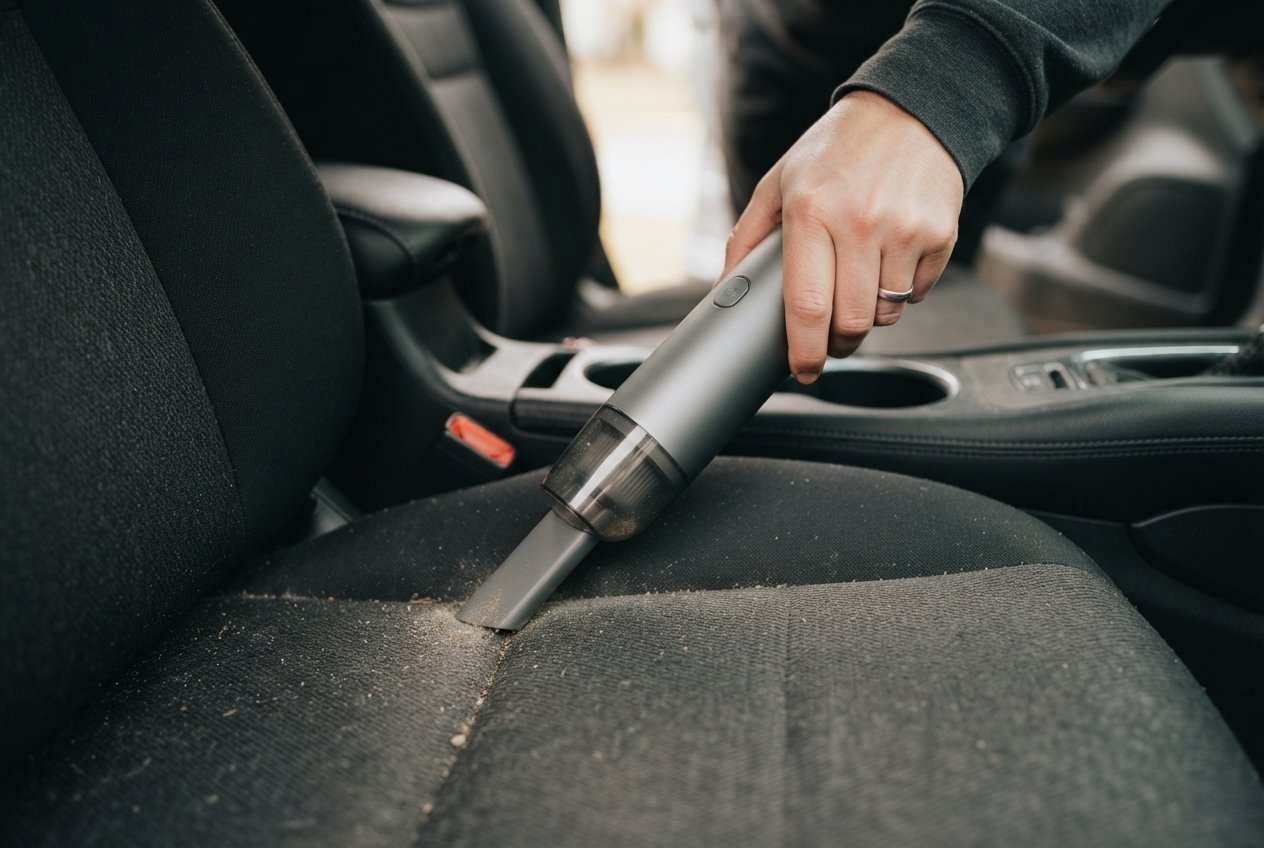
- What you gain: Unmatched portability and the ability to reach deep into seat crevices, trunks, and under floor mats without the hassle of a power cord.
- What you give up: Compared to 12V corded units, cordless vacuums are limited by battery life. Additionally, they often feature smaller dust cup capacities, meaning more frequent trips to the trash bin during a deep clean.
Essential Features for Your Selection
Before purchasing, ensure your chosen model includes the following to maximize your investment:
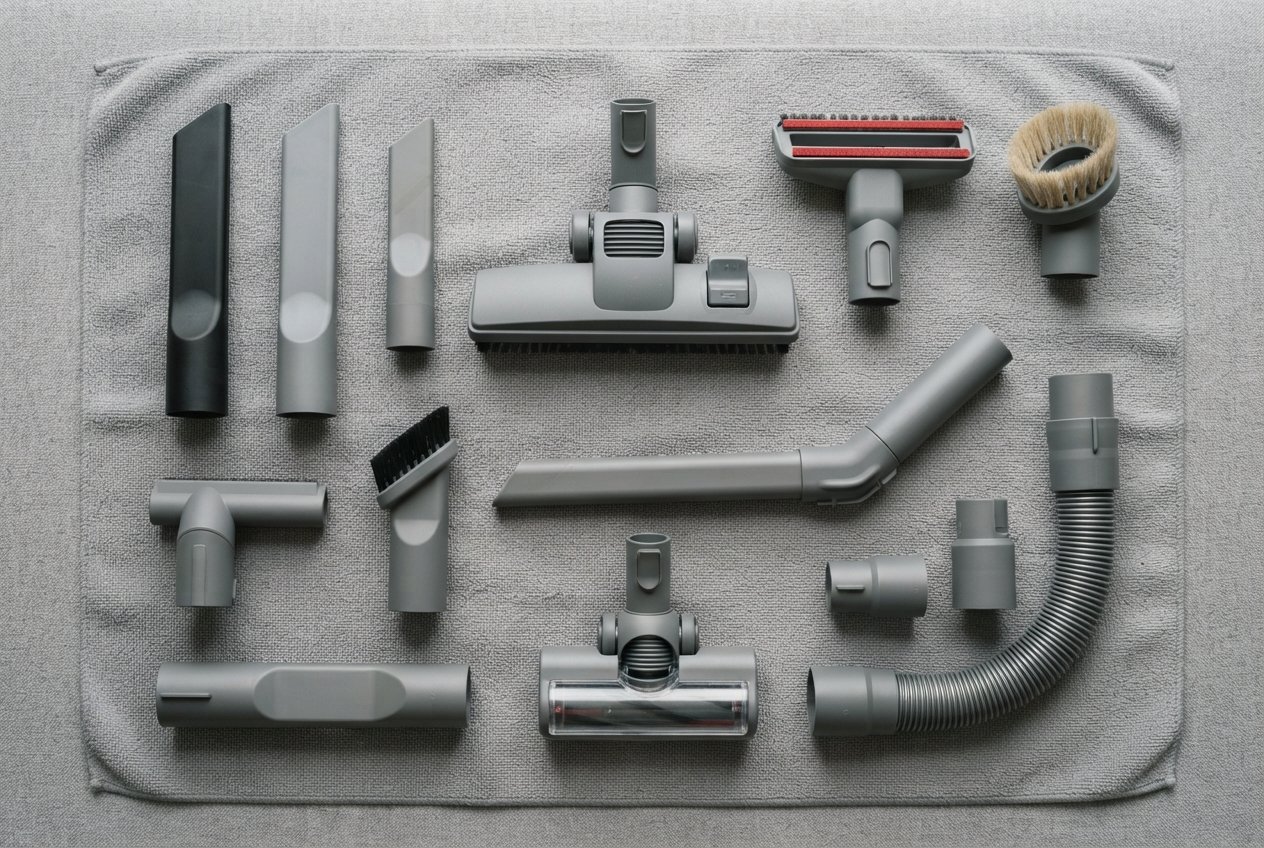
- Interchangeable Crevice Nozzles: Necessary for accessing tight spots between center consoles and seats.
- Washable HEPA Filters: These are standard, but performance relies entirely on your maintenance. Clogged filters lead to immediate loss of suction.
- Modern Charging: Seek out units using USB-C for faster, more reliable charging compared to older Micro-USB standards.
Our Research Methodology
This guide relies on a comprehensive synthesis of manufacturer specifications and objective technical evaluations. This was conducted as desk research; we did not perform individual hands-on testing of these units. Our rankings and assessments are based on expert-vetted performance indicators, including runtime under load, motor efficiency, and attachment versatility. We cross-referenced technical data to ensure our guidance prioritizes real-world usability over misleading marketing metrics.
Frequently Asked Questions
- How often should I charge my car vacuum if I don't use it regularly?
- To maintain battery health, it is recommended to charge your cordless vacuum every 1-2 months if it is not being used frequently.
- Can these vacuums clean pet hair out of upholstery?
- Standard handheld cordless models are generally effective for light debris. However, for heavily embedded pet hair, corded vacuums are typically more effective due to sustained power delivery.
- What is the benefit of a brushless motor in a car vacuum?
- Brushless motors are generally more efficient, providing higher suction power and a longer product lifespan compared to traditional brushed motors.
- Do I need special cleaning solution for the HEPA filter?
- No, these filters are typically designed to be washed with water. Always ensure the filter is completely dry before reinstalling it to prevent performance loss and potential damage to the motor.
Leave a comment