

Decision Snapshot
This article contains affiliate links. We may earn a commission if you make a purchase through these links at no additional cost to you.
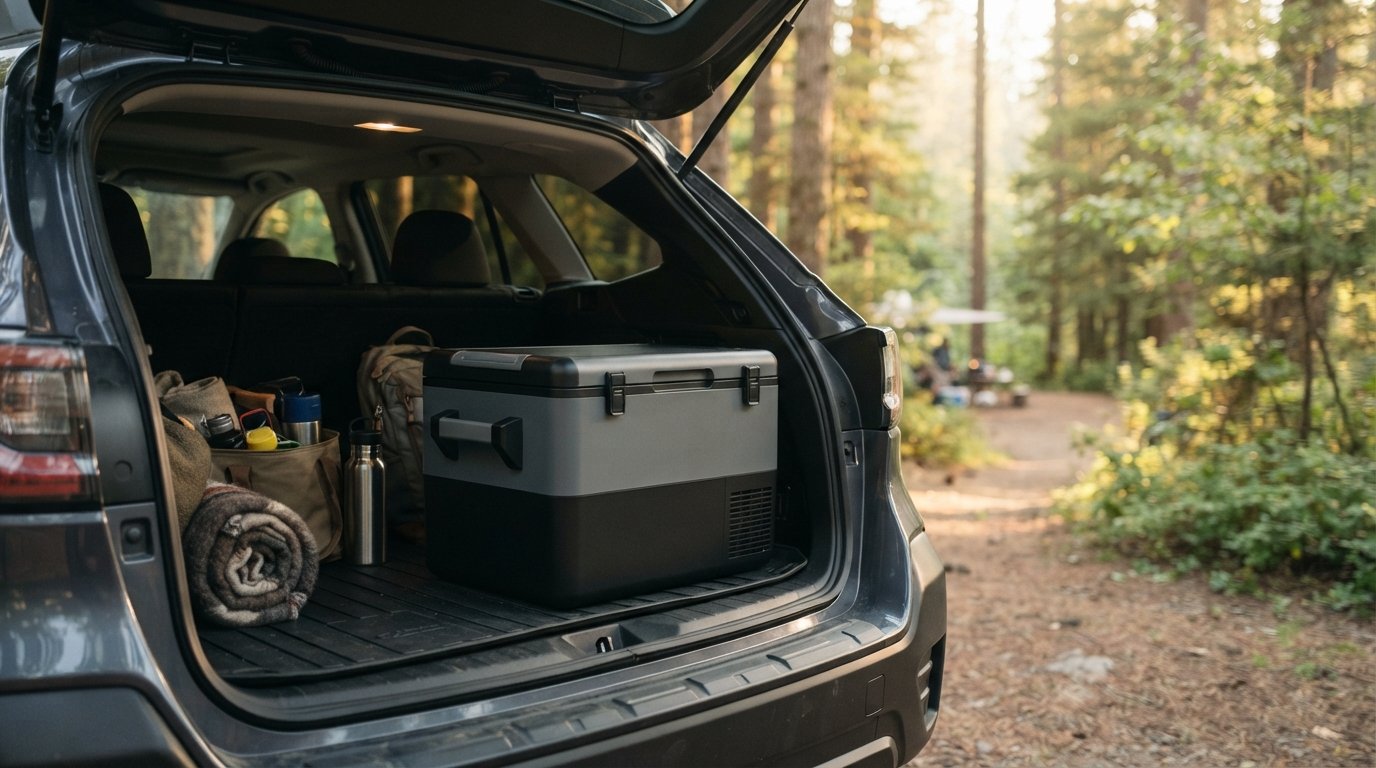
Best for: Overlanders, long-term campers, and tailgaters who want consistent, precise temperature control without the hassle and weight of managing ice.
The Verdict: The Anker Solix EverFrost 2 23L offers a significant convenience leap over passive coolers by eliminating ice management entirely. While it comes with a higher entry price and requires power awareness, it delivers active refrigeration that passive systems cannot match.
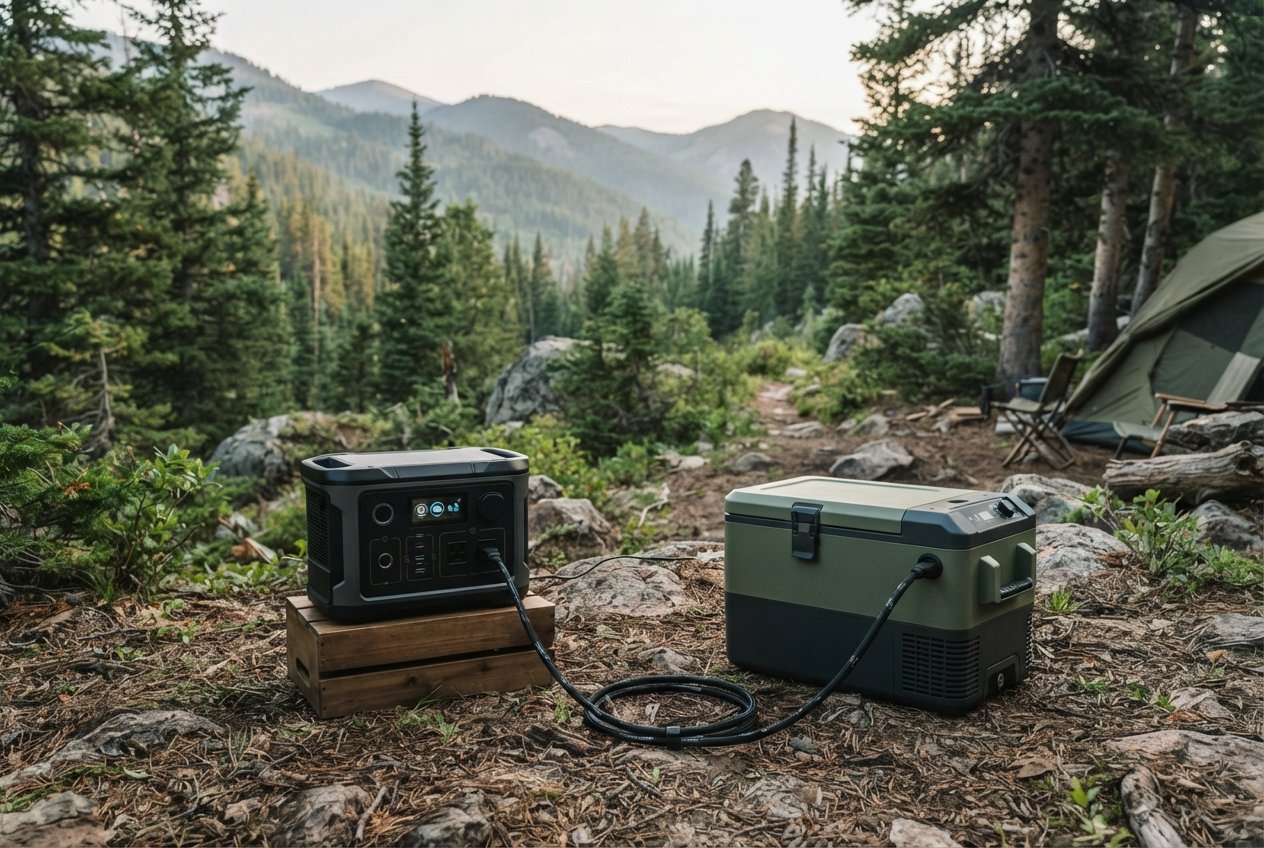
The Caveat: The EverFrost 2 relies on a 288Wh battery. Once the battery is depleted and if off-grid power (solar/DC) is unavailable, the unit loses its cooling capability, whereas a passive cooler remains functional as long as ice lasts.
Article Map
- Decision Snapshot
- Specifications and Performance
- Active vs. Passive Cooling
- The Trade-offs
- Trust and Methodology
- Frequently Asked Questions
Specifications and Performance
| Feature | Specification |
|---|---|
| Capacity | 23L |
| Temperature Range | -20°C to 20°C (-4°F to 68°F) |
| Battery Capacity | 288Wh (Removable) |
| Fast Cooling | 25°C to 0°C in ~15 minutes |
| Weight | 19.3 kg |
| Dimensions | 66.8 x 40.0 x 38.5 cm |
| Connectivity | App-supported remote monitoring |
Active vs. Passive Cooling
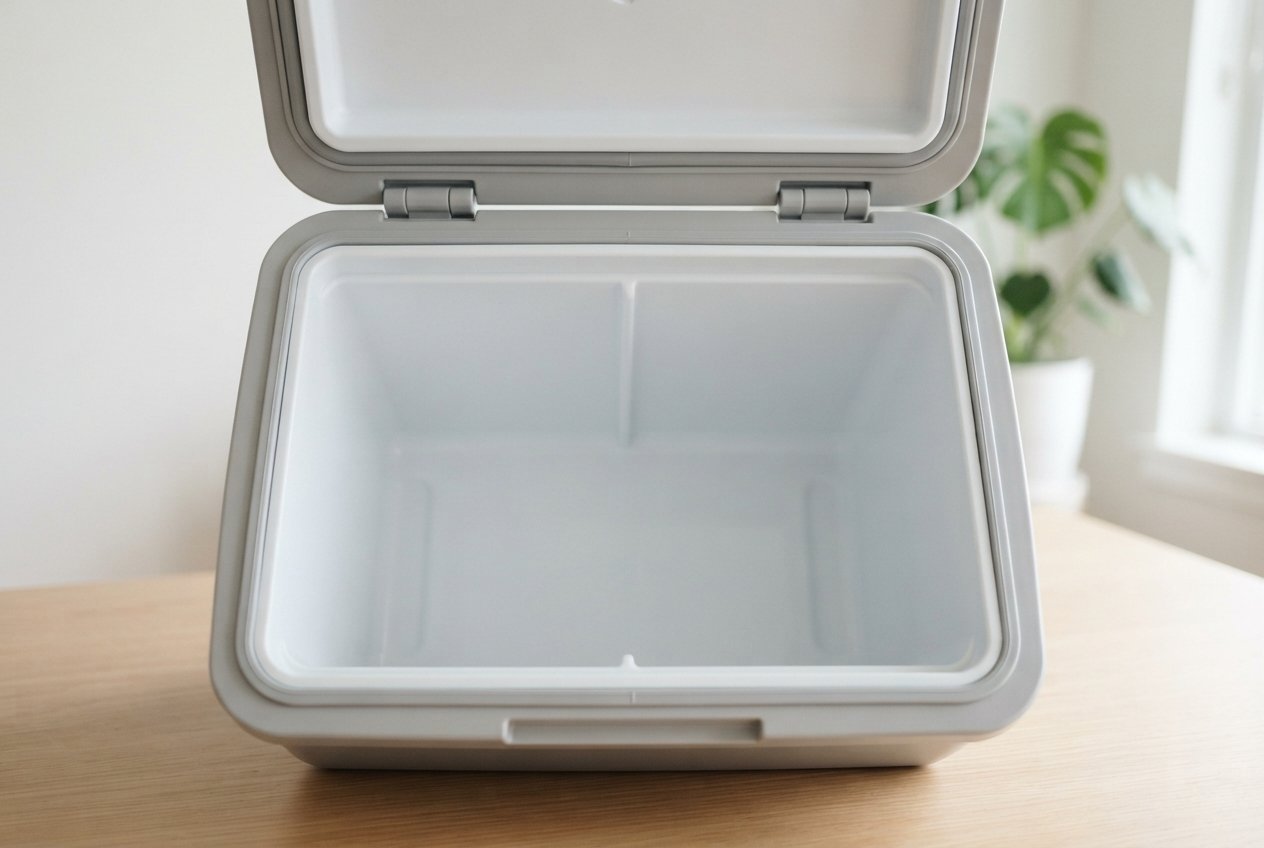
Traditional passive coolers, like those from Yeti, rely on high-grade insulation to slow heat transfer. While effective, they demand constant ice replenishment, which consumes internal storage space and creates “meltwater management” issues. In contrast, the Anker Solix EverFrost 2 utilizes active compression refrigeration. It actively pulls heat from the interior, maintaining a set temperature regardless of ambient heat, provided it has a power source.
The Trade-offs
What you gain: Consistent temperature control. You can hold items at a precise degree, protecting delicate food or keeping drinks at an exact chill. It also features 60W USB-C and 12W USB-A output ports, acting as a power bank for your devices.
What you give up: Weight and power dependency. At 19.3 kg, the EverFrost 2 is significantly heavier than a passive cooler of similar capacity. Furthermore, cooling is dependent on battery charge; if you remove the battery to charge it, the cooler stops unless connected to an external source (AC/DC/Solar).
Check Pricing
Trust and Methodology
This comparison is based on technical analysis of product specifications and manufacturer documentation for the Anker Solix EverFrost 2 23L. We evaluate cooling efficiency, power input, and utility relative to standard passive cooling use cases. No hands-on field testing was conducted.

Frequently Asked Questions
- How long does the battery last?
- In Eco mode, at 25°C ambient temperature with an internal set temperature of 4°C, the unit can run for up to 52 hours (2.1 days) on a single charge.
- Can I charge the cooler while it is running?
- Yes, you can charge the cooler via AC adapter, car socket, or solar panels. Note that wall outlets and solar panels cannot be used for recharging simultaneously.
- What happens if the battery dies?
- The unit will cease active cooling until power is restored via a car socket, solar panel, or AC connection. Without a power source, it behaves like a standard, though un-iced, insulated box.
Leave a comment